


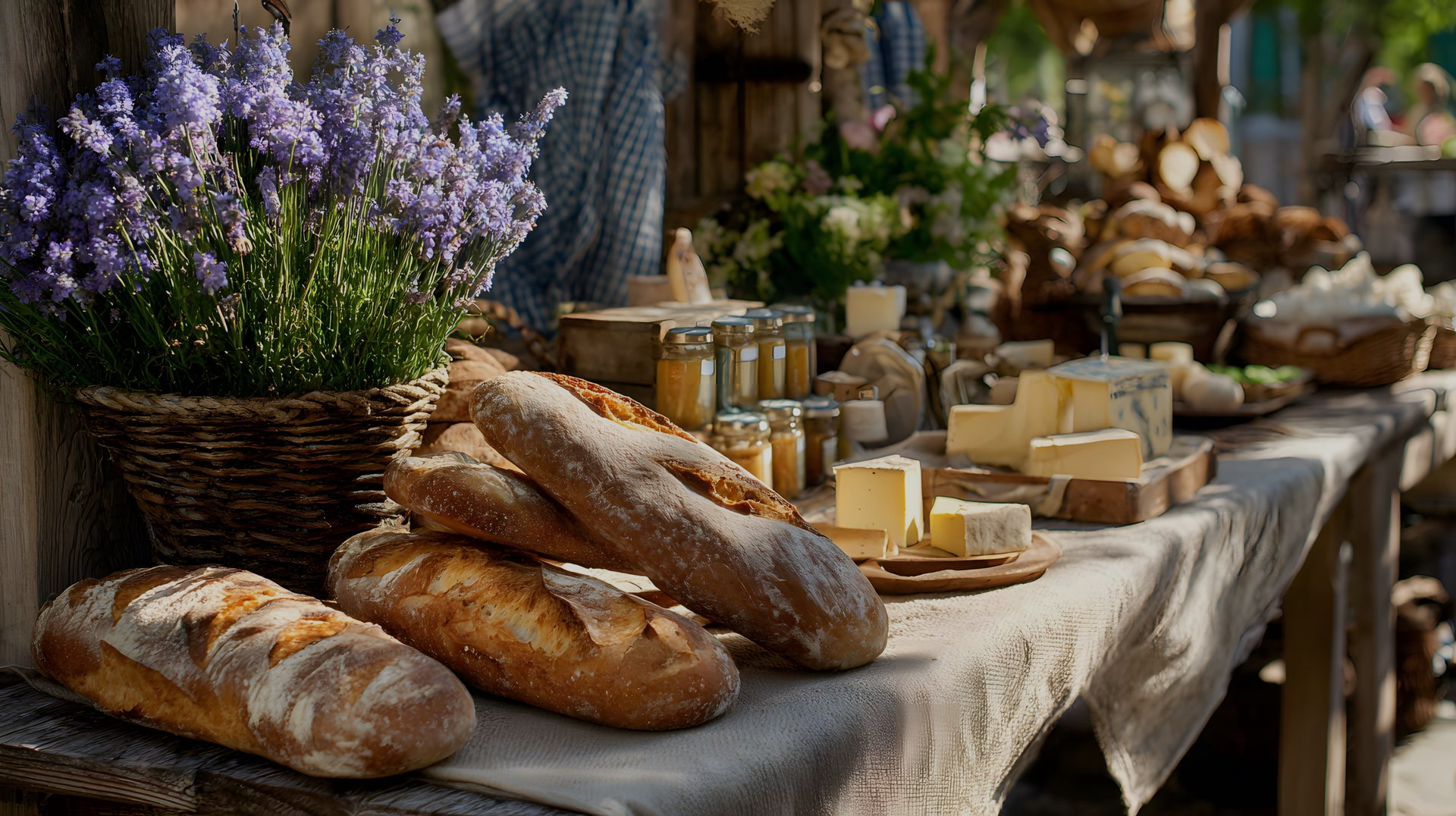
Set among the gentle hills of rural Occitanie, your stay is immersed in a peaceful countryside of rolling farmland, quiet lanes, and scattered hamlets. Discover local picnic spots, wander scenic trails, and enjoy village life at its most unhurried and authentic during your stay in the Tarn.
Explore the Tarn Region During Your Castle Stay
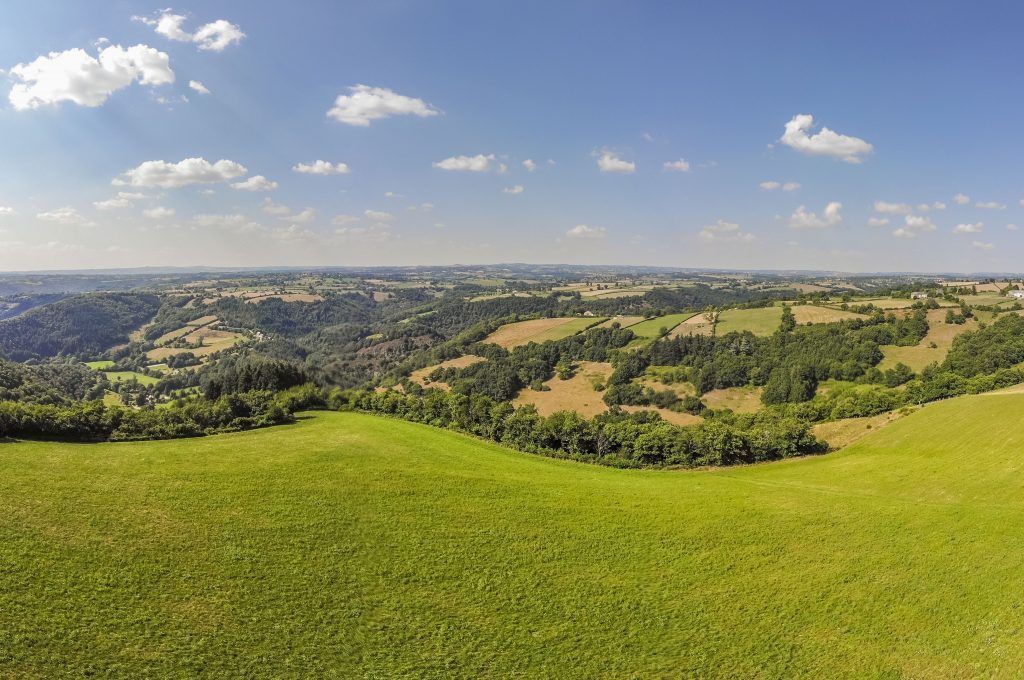
The Ségala Region of the Tarn
From the dramatic gorges of the Viaur Valley to the first vineyards of Gaillac, and through the Carmaux basin where the legacy of Jean Jaurès still echoes, the Ségala region unfolds as a land of striking contrasts—rich in landscapes, soils, and human history.
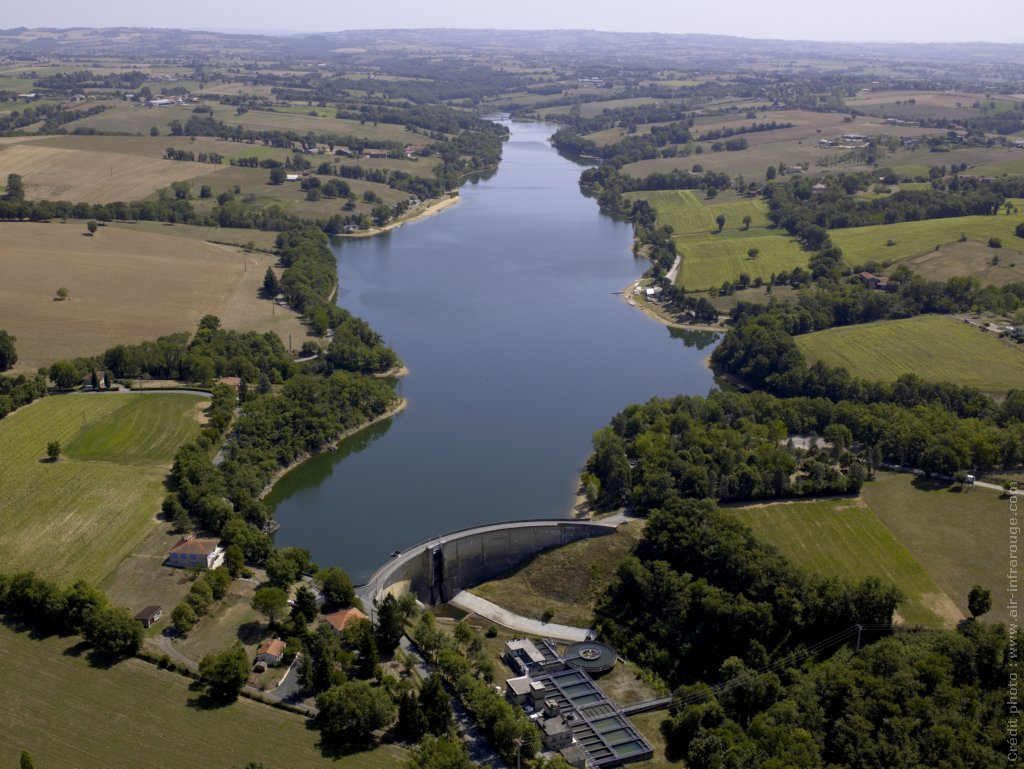
Lac de la Roucarie
Just moments away, Lake Roucarié offers a peaceful natural escape set among wooded hills and open countryside. Its calm waters and walking paths invite quiet strolls, swimming, or time spent by the shore—an ideal complement to a restful stay at the château.
Monestiés
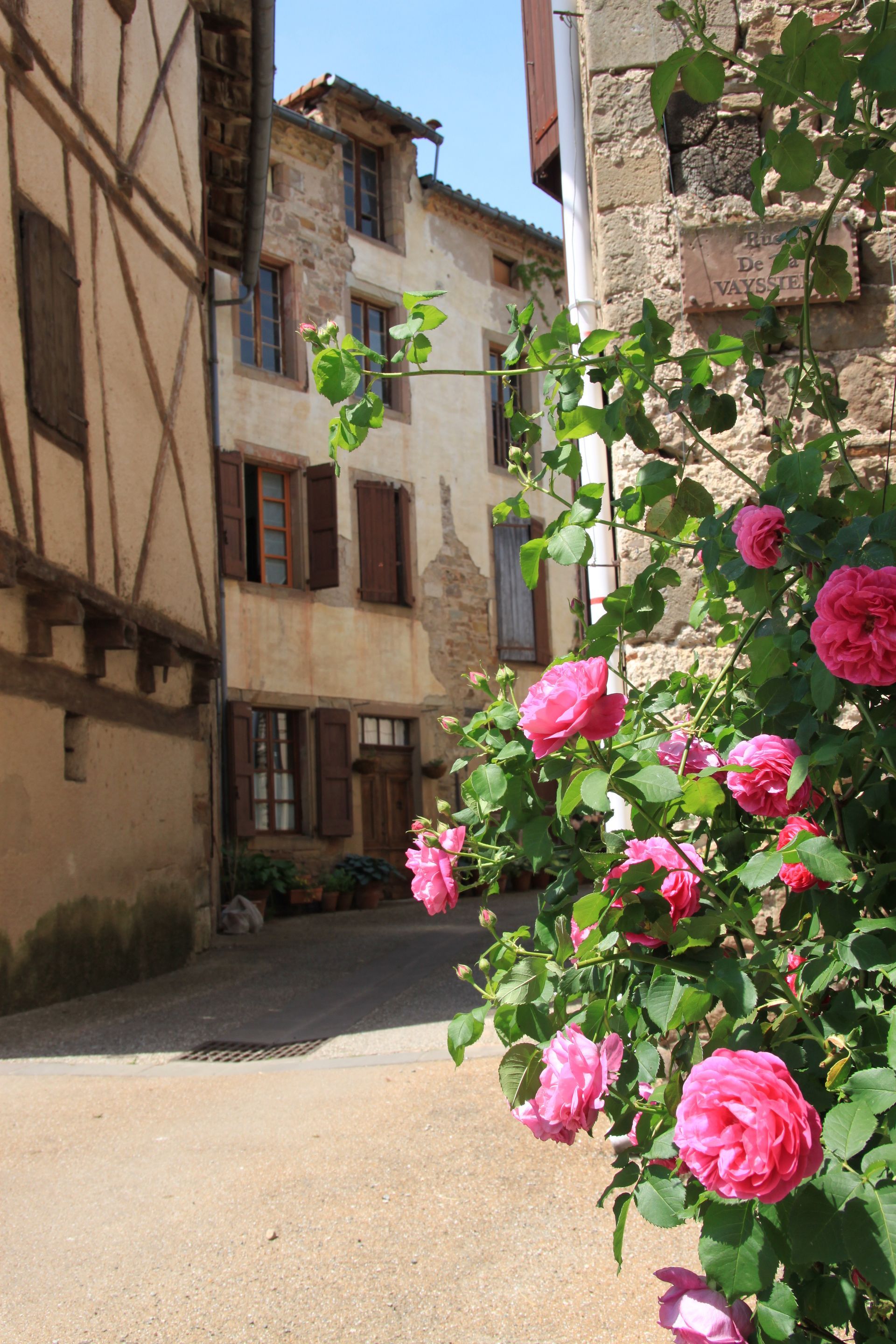
Monestiés
Take time to stop in Monestiés, a charming circular village listed among Les Plus Beaux Villages de France. This picturesque medieval town, over a thousand years old, is nestled in a bend of the Cérou River.
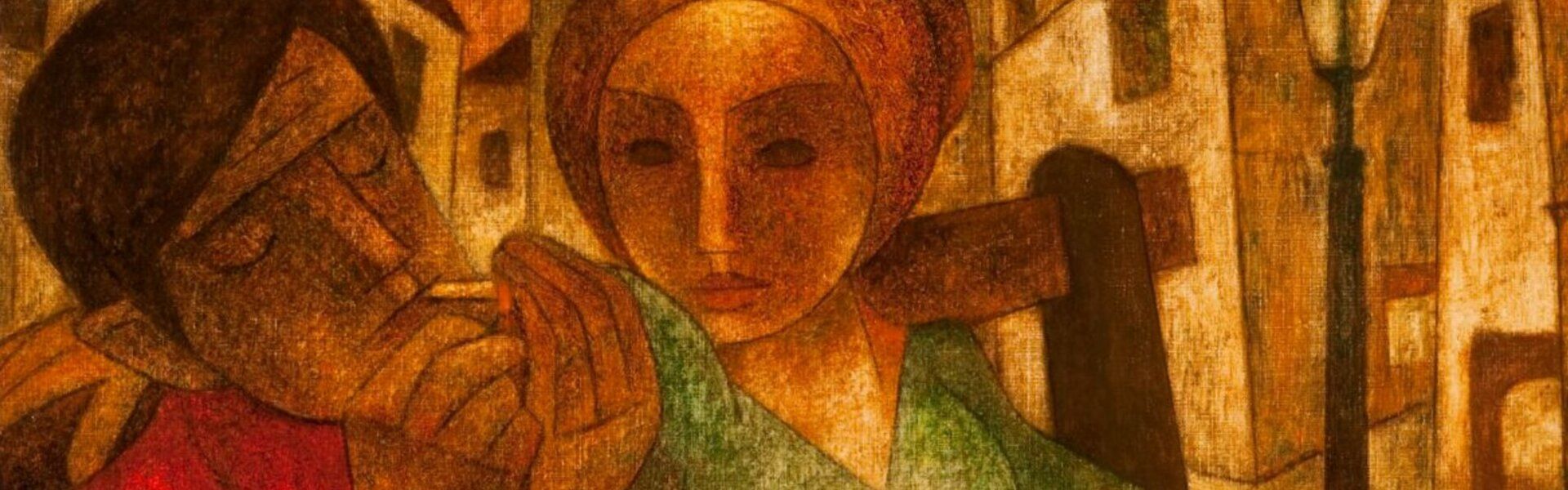
Bajen-Vega Museum
Housed in a 15th-century mansion, this museum features works by Martine Vega and Francisco Bajén, Spanish refugee artists.
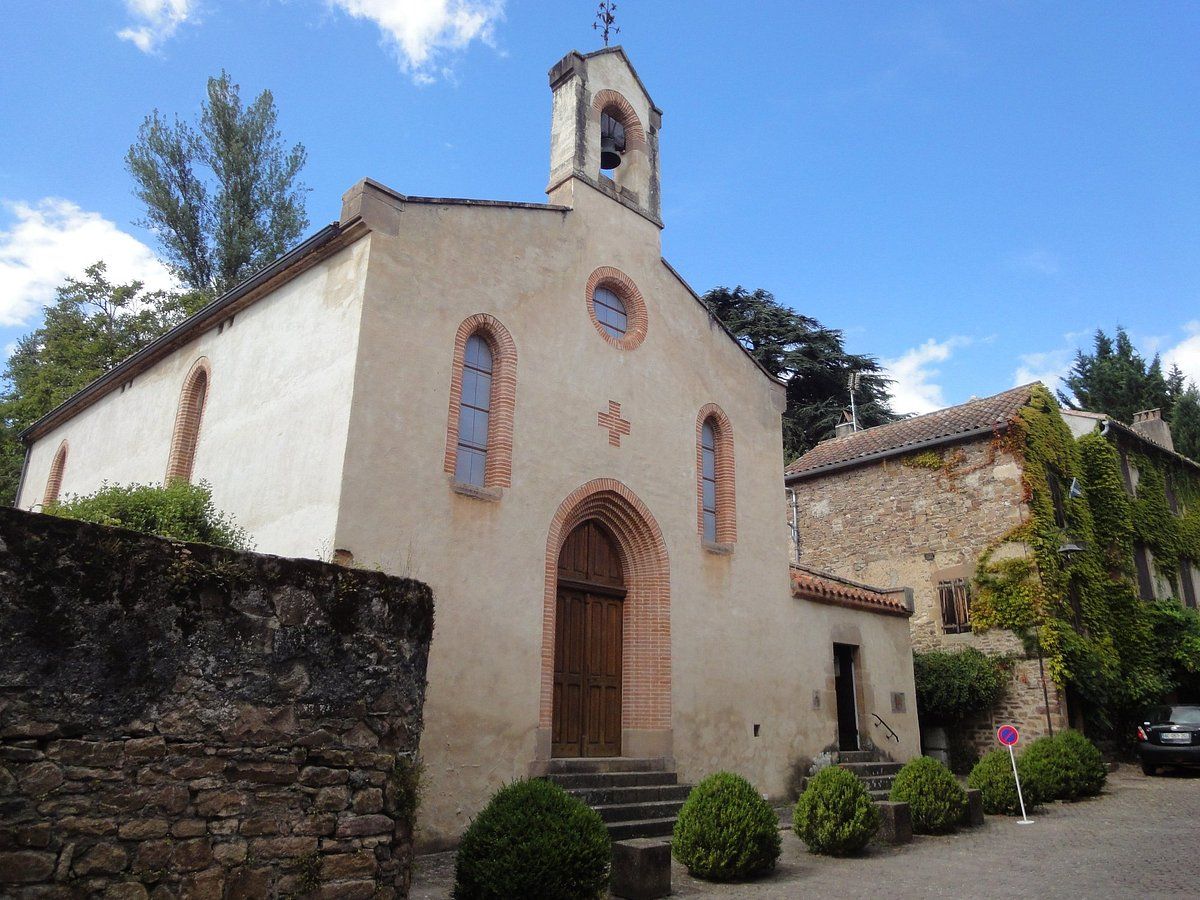
Saint-Jacques Chapel
Since 1774, this former hospital on the Santiago de Compostela pilgrimage route has sheltered an exceptional artwork classified as a historic monument: 20 polychrome limestone statues depicting the final scenes of the Passion of Christ, commissioned in 1490 by Louis d’Amboise.
Nearby attractions not to be missed
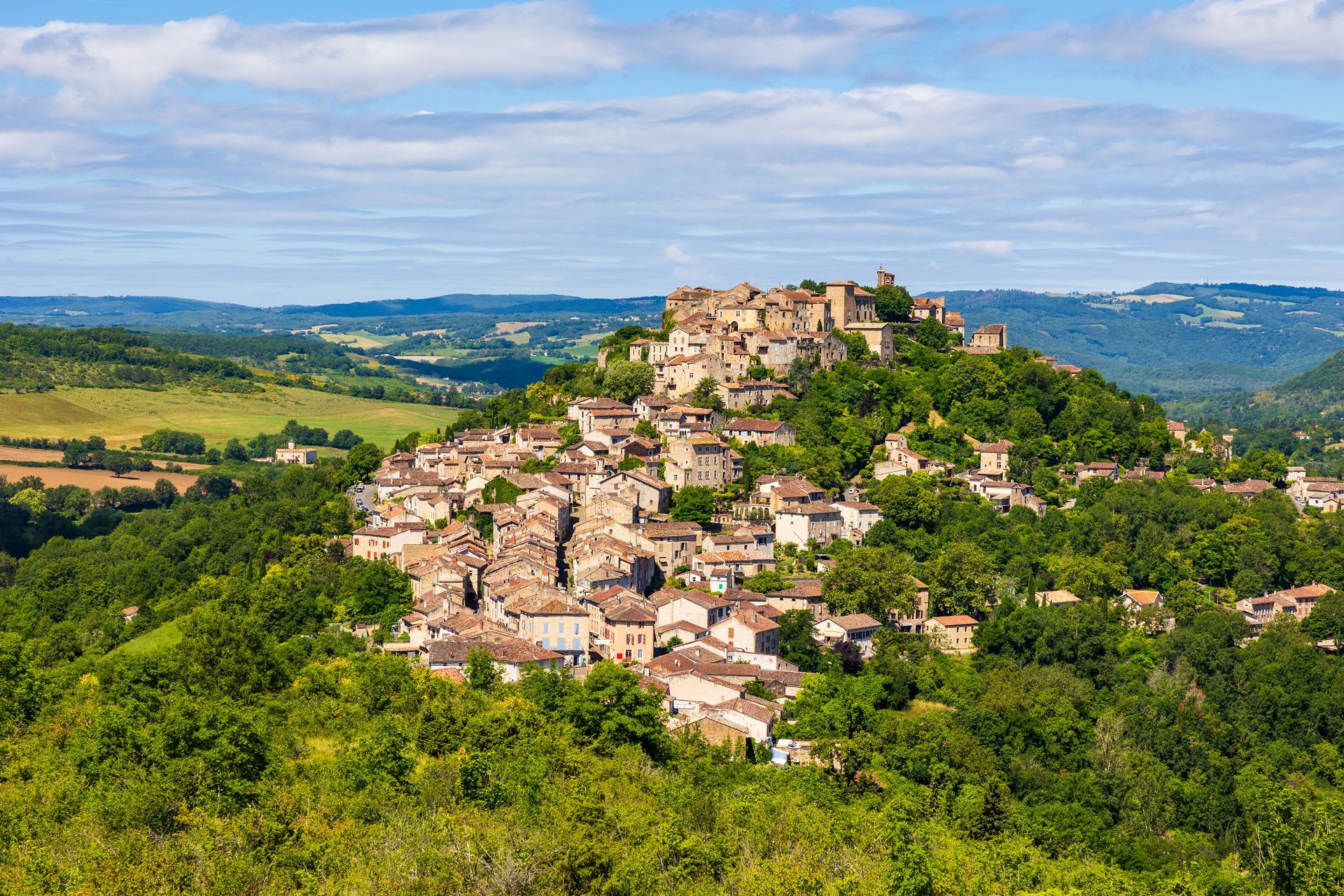
The Village of Cordes-sur-Ciel
The spectacular medieval village of Cordes-sur-Ciel is renowned for its remarkable architectural heritage and historical significance. This beautifully preserved hilltop town offers breathtaking views and is one of the highlights of any castle stay near Cordes-sur-Ciel.
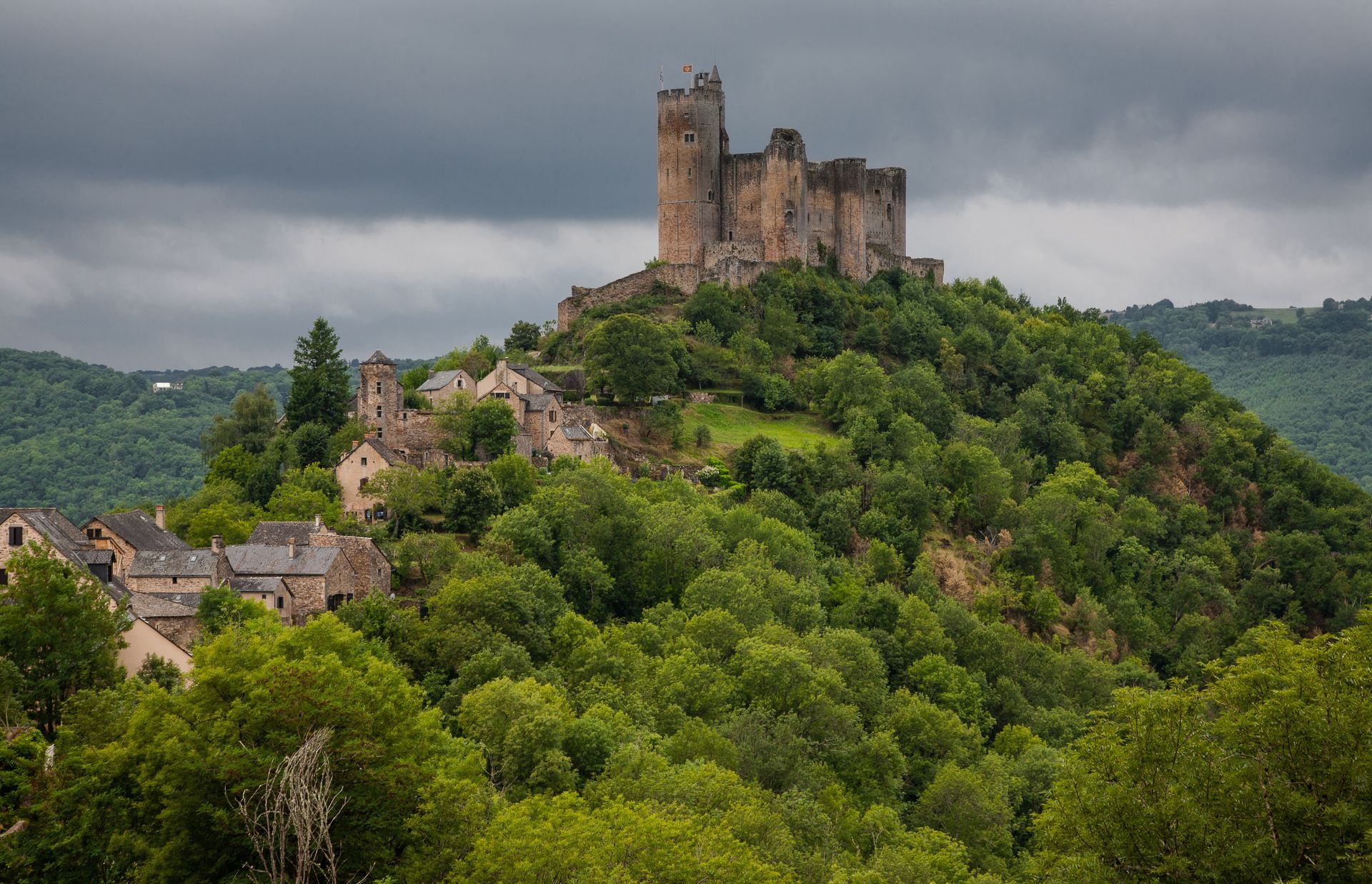
Forteresse Royale de Najac
A striking 13th-century fortress perched high above the Aveyron Valley. The nearby castles of Bruniquel and the fortress of Penne are also well worth visiting, offering equally impressive historical and scenic experiences for travelers exploring Occitanie’s castle heritage.
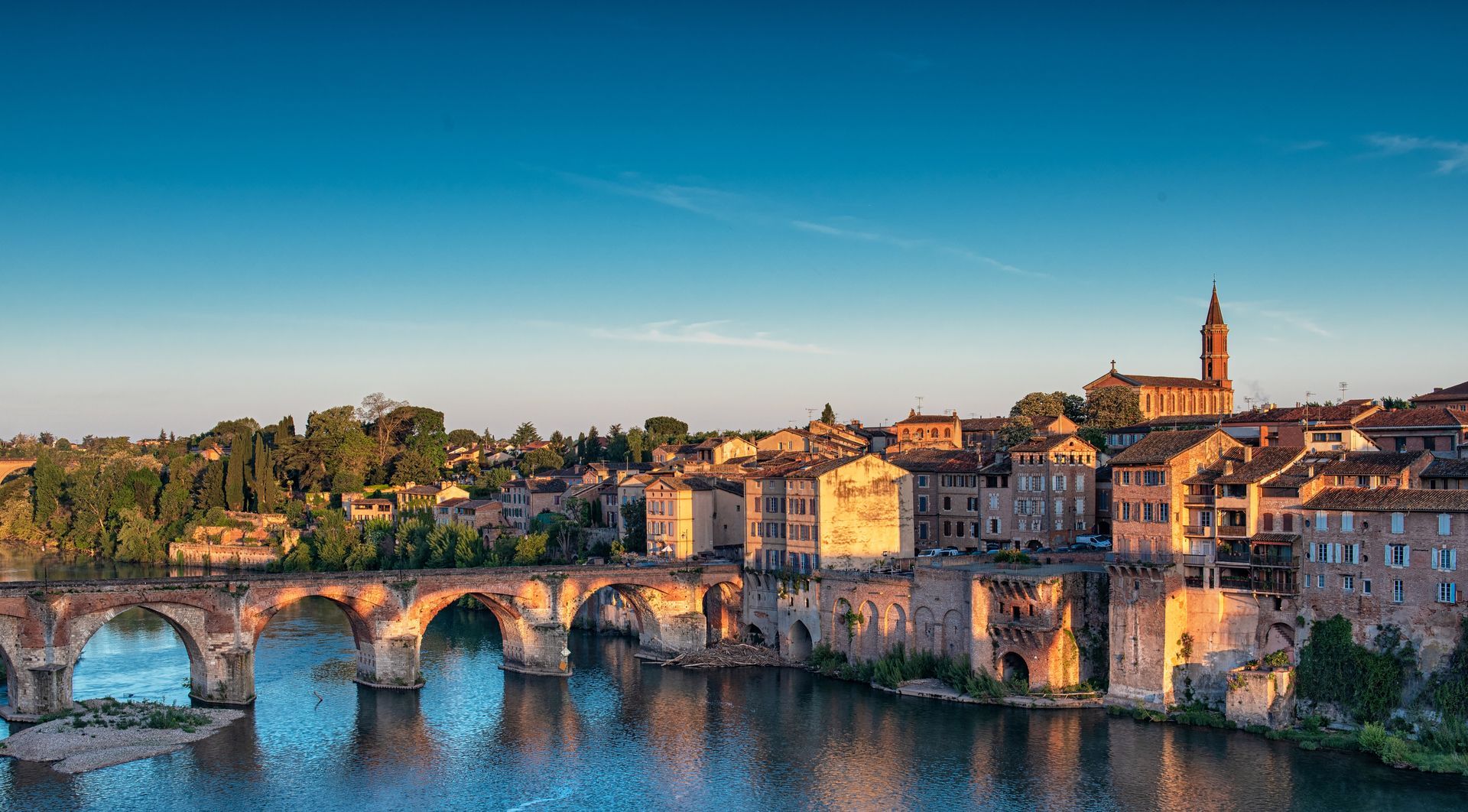
The Historic City of Albi
Just a 30-minute drive from Trévien lies the historic city of Albi, home to the remarkable Cathedral of Sainte-Cécile, a UNESCO World Heritage Site and an outstanding example of Renaissance architecture.
We highly recommend combining your visit with the Toulouse-Lautrec Museum, housed in the magnificent Palais de la Berbie with gardens overlooking the Tarn River. Wander the pedestrian streets of the old city, where the warm glow of Albi’s red-brick buildings creates an unforgettable atmosphere.
Farmers’ Markets, Wineries, and Distilleries
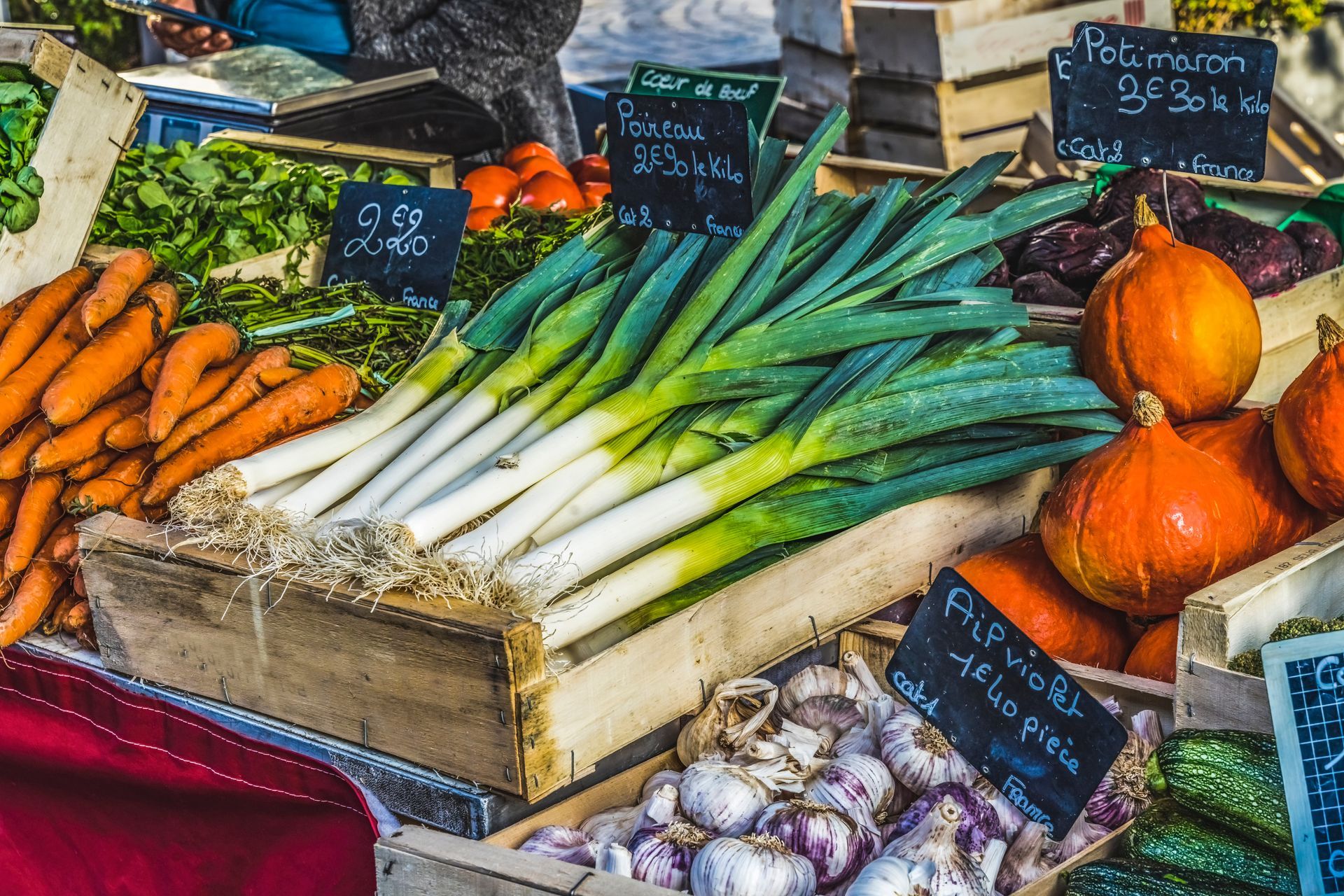
Church of Notre-Dame de la Gardelle,
Carmaux hosts a large market every Friday morning. Cordes-sur-Ciel hosts a market every Saturday morning in their picturesque medieval village. Monesties hosts a Thursday market with a great "small market" vibe. For a larger market experience, Albi hosts an impressive market every Saturday by the Cathedral Sainte-Cécile. A bit further afield is the large Sunday market in Saint-Antonin-Noble-Val.
Less than an hour’s drive from Trévien, the renowned Gaillac wine region invites you to tour vineyards, enjoy tastings, and purchase bottles to take home. One of France’s oldest wine-producing areas, established in Roman times, Gaillac is celebrated for the richness and diversity of its wines.
Cagnac-les-Mines
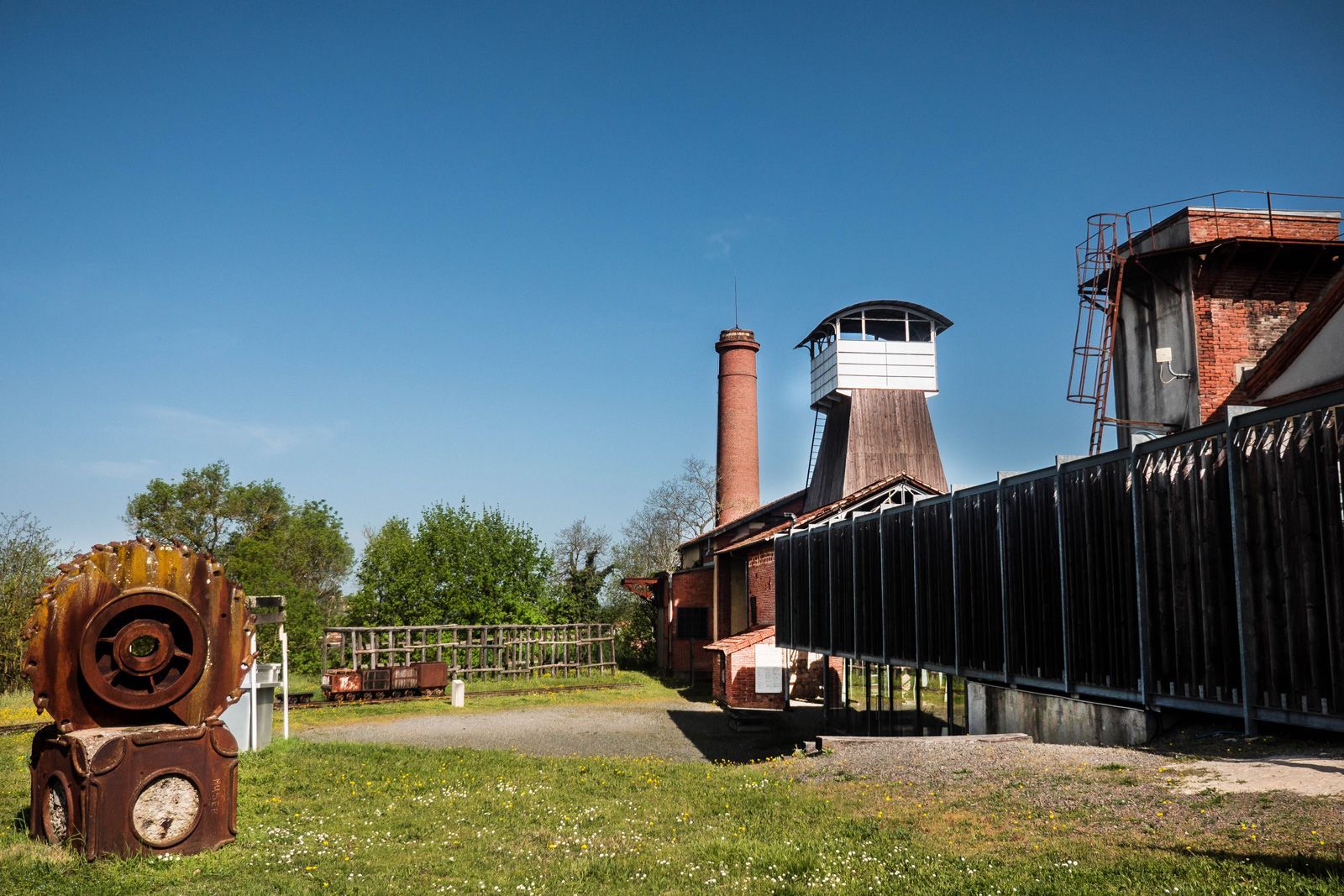
Departmental Mining Museum
A modern and immersive museum that brings the daily lives of miners to life through innovative sound, lighting, and scenography, while preserving the site’s authentic atmosphere and industrial heritage.
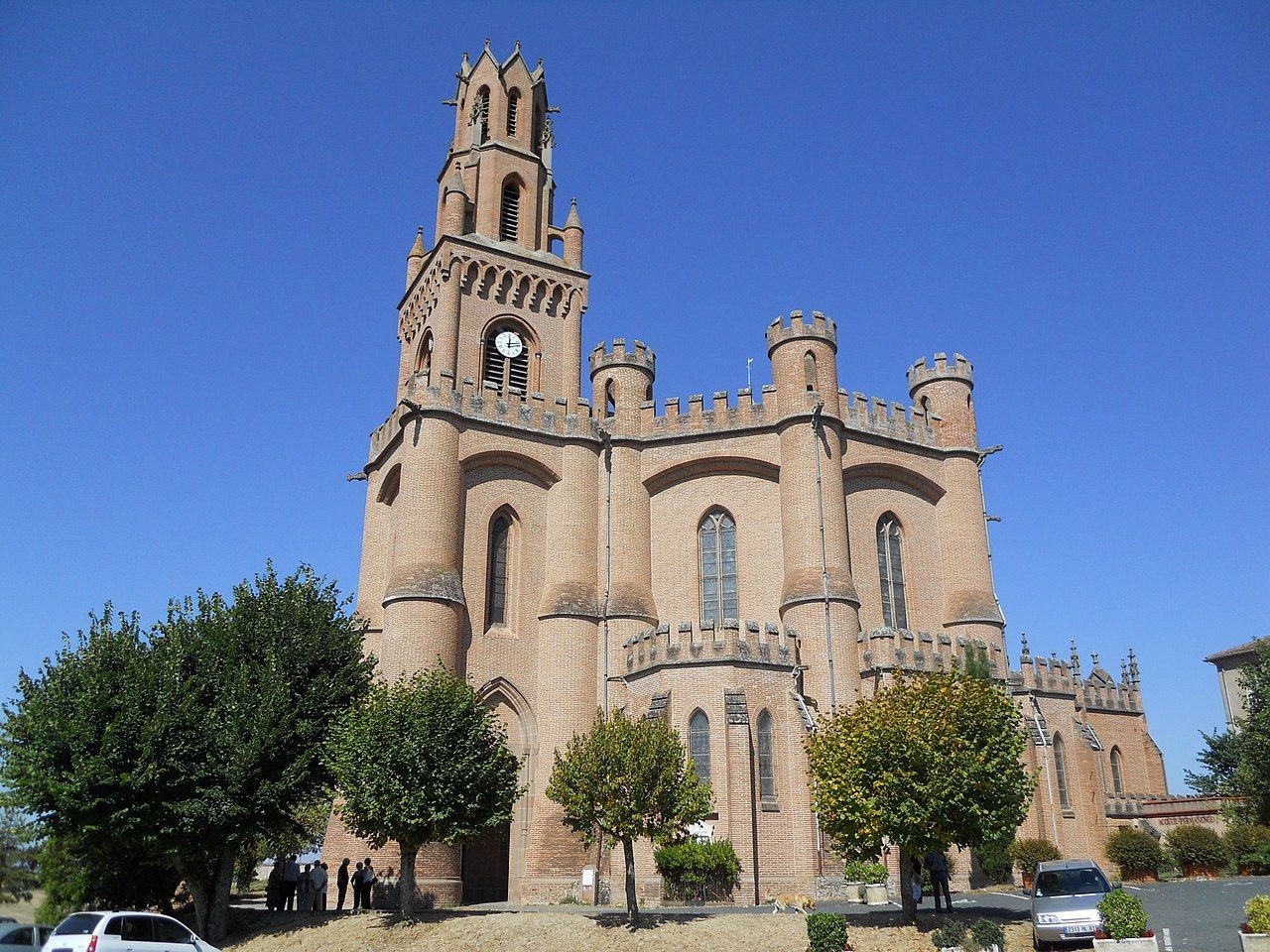
Notre-Dame de la Drèche
Nearby stands Notre-Dame de la Drèche, often called the “little cathedral.” Built across the municipalities of Albi, Lescure-d’Albigeois, and Cagnac-les-Mines, its name derives from the Albi dialect “Nostro Damo de la Dresto”—Our Lady of the Right Coast—referring to the steep, direct path leading to it. Historical records from the 18th century also mention it as Beata Maria de Dextera.